Ceramic vs
Porcelain Tile
Understanding the differences between ceramic and porcelain is crucial for ensuring durability and staying within budget. While they look similar, their water absorption, hardness, and ease of cutting differ significantly. Use our resources to guide your purchase.
1. Key Property Comparison
Compare the core technical differences below. Porcelain tile is denser and far more water-resistant, whereas ceramic is lighter and easier to shape.
Property
Water Absorption
Ceramic
3% to 7%
Porcelain
< 0.5%
Verdict
Porcelain wins (waterproof)
Property
Hardness (PEI)
Ceramic
Class 3 (Medium)
Porcelain
Class 4 or 5 (High)
Verdict
Porcelain wins (highly scratch resistant)
Property
Density & Weight
Ceramic
Lower density (lighter)
Porcelain
Higher density (heavier)
Verdict
Ceramic wins for easier wall installation
Property
Cutting Ease
Ceramic
Easy to cut (scoring wheel)
Porcelain
Difficult (requires diamond wet saw)
Verdict
Ceramic wins for DIY-friendliness
Property
Price Range
Ceramic
$1–$5 per sq ft
Porcelain
$3–$10+ per sq ft
Verdict
Ceramic wins for tight budgets
Property
Wet Zone Safety
Ceramic
Not recommended for shower floors
Porcelain
Excellent for all wet surfaces
Verdict
Porcelain is highly superior for safety
2. Technical Manufacturing Differences
Why do porcelain and ceramic behave differently? The divergence occurs during formulation, pressing, and firing in the kiln.
Clay Formulation
Raw MaterialsProcess Highlight
Porcelain uses refined white kaolin clay mixed with quartz and feldspar, while ceramic uses coarse red or brown clays.
Refined materials eliminate impurities, allowing porcelain to form a denser, glass-like body during production.
Firing Temperatures
VitrificationProcess Highlight
Porcelain is fired at 2,200°F–2,400°F. Ceramic is fired at lower temperatures of 1,800°F–2,000°F.
The extreme heat causes vitrification in porcelain, fusing elements into a highly dense, impermeable structure.
Pressure Compaction
Density & StrengthProcess Highlight
Porcelain is compacted under massive hydraulic pressure before firing, making it much more dense.
The intense pressure leaves virtually no voids or air pockets, rendering the resulting tiles resistant to freezing and heavy weight.
3. Best Use-Cases by Area
Choosing the correct tile material for each surface ensures the longevity of your installation.
High-Traffic Floors
Heavy commercial spaces, busy entryways, and active hallways benefit from porcelain's high density and PEI rating.
Kitchen Backsplashes
Vertical walls experience low impact. Ceramic cuts easily around outlets and offers great savings.
Shower Walls & Floors
Constant water contact demands porcelain's low absorption rate to prevent mold and moisture tracking.
Budget Wall Cladding
Perfect for accents, wainscoting, and large wall surfaces where physical wear is minimal and costs count.
4. Installation Suitability Comparison
Each material demands distinct installation techniques. Review these tooling and chemical specifications before beginning.
Cutting & Shaping Details
- Ceramic tile cuts easily with a standard manual snap cutter.
- Edge smoothing requires only a basic diamond hand pad.
- Chipping is minimal and easily concealed by grout.
- Intricate cuts around pipes can be done with tile nippers.
- Porcelain requires a wet tile saw with a continuous-rim diamond blade.
- Dry cutting porcelain produces excessive heat and splits the tile.
Mortar & Bonding Requirements
- Standard unmodified thinset works well on porous ceramic backs.
- Ceramic wall tiles bond quickly due to high natural suction.
- Porcelain has virtually no suction; standard mortar will fail to bond.
- Porcelain requires high-polymer modified thinset (ANSI A118.15).
- Modified mortars chemical bond directly with glass-like vitrified clay.
- Heavy porcelain floor tiles require medium-bed mortar to prevent slumping.
5. Selection Decision Matrix
Follow this simple checklist to determine which tile type fits your project. If you are tiling a bathroom, make sure to read our bathroom selection guides.
Choose Porcelain If:
- •Installing on outdoor patios or paths
- •Tiling high-moisture shower floors
- •High residential traffic expected
- •Extremely low maintenance is desired
Choose Ceramic If:
- •Tiling dry walls or kitchen backsplashes
- •Budget is a primary constraint ($1–$3/sq ft)
- •You plan to DIY and cut tiles manually
- •Using small or medium-format field tiles
Key Layout Guides
- •Best Bathroom Tiles
- •Best Kitchen Floor Tiles
- •Wet Area Waterproofing Specs
Refer to the best tile for bathrooms guide for zone-by-zone suggestions, or read the best tile for kitchen floors guide for high-impact flooring options. For specialized wet areas, check the choosing tile for wet areas guide.
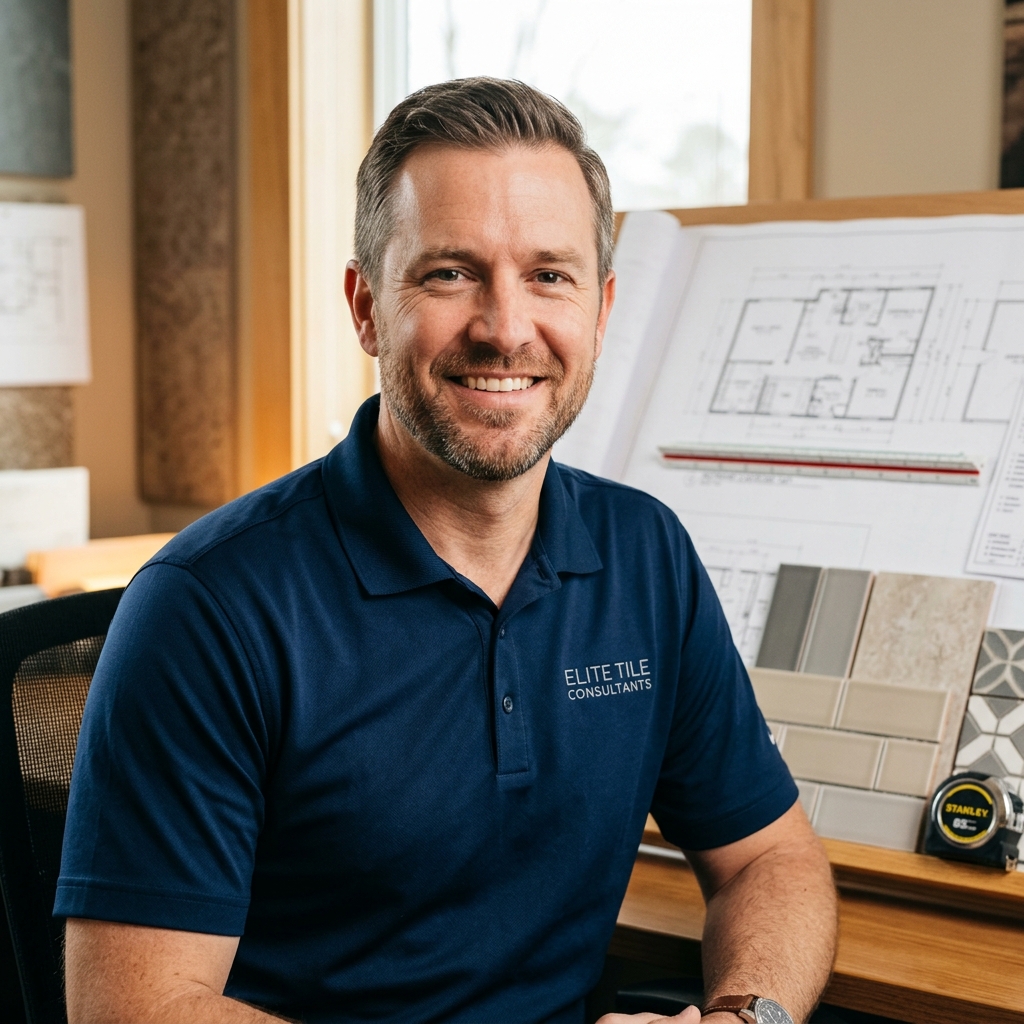
Marcus Sterling
Certified Master Tile Installer & Technical Estimator
This guide has been technically reviewed and approved by Marcus Sterling. Marcus has over 20 years of hands-on experience in residential and commercial tile setting. He is a certified installer specializing in moisture diagnostics, deflection analysis, complex layouts, and estimation accuracy.
Selection FAQs
Common questions about ceramic and porcelain tiles, their behavior, and maintenance requirements.
Is porcelain really better than ceramic?▼
Porcelain is denser, harder, and absorbs less water than ceramic, making it objectively 'better' for wet areas and high-traffic floors. However, ceramic is cheaper, easier to cut, and completely suitable for vertical dry walls or low-traffic rooms.
Is porcelain tile waterproof?▼
Yes. To qualify as porcelain, the tile must have a water absorption rate of less than 0.5% when tested. While not 100% waterproof in a laboratory sense, it is practically impervious to liquids and staining, making it standard for shower pans.
Can I use ceramic tile on a bathroom floor?▼
Yes, you can use ceramic tile rated PEI Class 3 or higher on residential bathroom floors. However, porcelain is strongly preferred for bathroom floors because it resists moisture penetration from spills, tub overflows, and steam.
Does porcelain tile cost more to install?▼
Yes. Installers usually charge $2 to $5 more per square foot for porcelain because its extreme hardness requires specialized diamond blades, wet saws, and extra time to make cuts without cracking or chipping.