Best Budget
Tile Options
Tiling on a budget doesn't mean sacrificing longevity. Compare low-cost ceramic, glazed porcelain, slate options, and design strategies to slash labor costs.
1. Affordable Tile Materials
A comprehensive matrix evaluating the most cost-efficient tiles based on material cost, ease of DIY handling, and necessary companion materials.
Tile Option
Basic Ceramic Tiles
Price per Sq Ft
$0.80–$1.50
DIY Install Ease
Very Easy (Soft clay, cuts smoothly)
Grout Cost
Standard Sanded ($0.40/sq ft)
Verdict & Use Case
Excellent value for low-moisture dry walls and backsplash areas
Tile Option
Glazed Porcelain
Price per Sq Ft
$2.00–$4.50
DIY Install Ease
Medium (Dense material, needs diamond blade)
Grout Cost
Modified Grout ($0.60/sq ft)
Verdict & Use Case
Highly recommended for high-traffic entryways and bathrooms
Tile Option
Peel-and-Stick Glass Sheets
Price per Sq Ft
$3.50–$6.00
DIY Install Ease
Extremely Easy (No mortar required)
Grout Cost
No Grout Needed ($0.00)
Verdict & Use Case
Ideal for fast backsplash updates, avoid wet shower zones
Tile Option
Cement Look Ceramics
Price per Sq Ft
$1.80–$3.00
DIY Install Ease
Easy (Standard sizes, straight cuts)
Grout Cost
Standard Grout ($0.45/sq ft)
Verdict & Use Case
Provides high-end designer look on a strict ceramic budget
Tile Option
Slate Tiles
Price per Sq Ft
$2.50–$5.00
DIY Install Ease
Hard (Requires back-buttering, thickness sorting)
Grout Cost
Epoxy or Poly Grout ($1.00/sq ft)
Verdict & Use Case
Budget-friendly natural stone, but installation labor is higher
2. Material Price vs Installed Cost
Material price is only one part of the equation. Understand how pattern and surface preparation shape the final contractor estimate.
Tile Pricing
Raw material cost focusSavings Target
Save 60%+ on materials
$1.00–$1.50/sq ft
By selecting in-stock ceramic running bond lines over handmade porcelain mosaics, you keep initial material layouts minimal.
Layout Complexity
Labor cost reductionSavings Target
Zero pattern up-charges
Base labor pricing
Contractors bill less for straight rows. Avoid diagonal, basketweave, or herringbone layouts which add up to 30% in custom cuts and labor time.
Prep Material Additions
Underlayment economySavings Target
Minimize leveler usage
DIY floor prep
Leveling floors is labor-heavy. Perform minor grinding and subfloor cleaning yourself to avoid contractor surface prep fees.
3. Sourcing and Savings Tips
Proactive procurement techniques to lower tile material costs. Check these strategies before purchasing.
Discontinued Lots
Browse clearance racks for remaining lots of high-end lines. Perfect for small bathrooms under 80 square feet.
Contractor Discounts
Ask your installer to purchase the tiles under their account to pass down wholesale trade savings of 10–20%.
Surplus Outlets
Visit local building supply liquidators where excess inventory from commercial developments is sold at deep discounts.
Large Standard Formats
Select standard 12x24 tiles. They cover area faster than mosaics, lowering labor hours while presenting a clean modern grid.
4. Budget Layout Patterns
Layout patterns impact tile waste factors and cutting labor times. Compare standard brick-lays to complex patterns.
Running Bond / Subway (Best Value)
- Standard 10% waste factor reduces total quantity required
- Simple cuts along walls increase contractor speed
- Lower labor rates due to highly repeatable rows
- Classic aesthetic that rarely goes out of style
- Hides slight wall out-of-plumb deviations
Complex Layout Cautions
- Requires 15–20% extra tile material waste allowance
- Mosaics and herringbone require extensive custom cuts
- Adds 20–40% premium to standard contractor labor quotes
- Prone to slippage and lippage if substrate is uneven
- Slows down DIY project timelines significantly
5. Trim and Finishing Savings
Specialty border tiles and bullnose pieces often carry massive markups. Learn how to edge your tiles affordably.
Instead of buying specialty bullnose tiles that can cost $5 to $15 per piece, use metal L-shaped edge profiles (Schluter strips) which provide a clean, modern transition line at a fraction of the cost. Alternatively, check if your tile has a finished glazed edge or sand/polish raw edges yourself to create a clean, minimalist profile.
Always review correct overage amounts using the tile buying guide to prevent ordering shortages. For a comprehensive project cost roadmap, see our tile project budget guide.
6. Budget Resource Guides
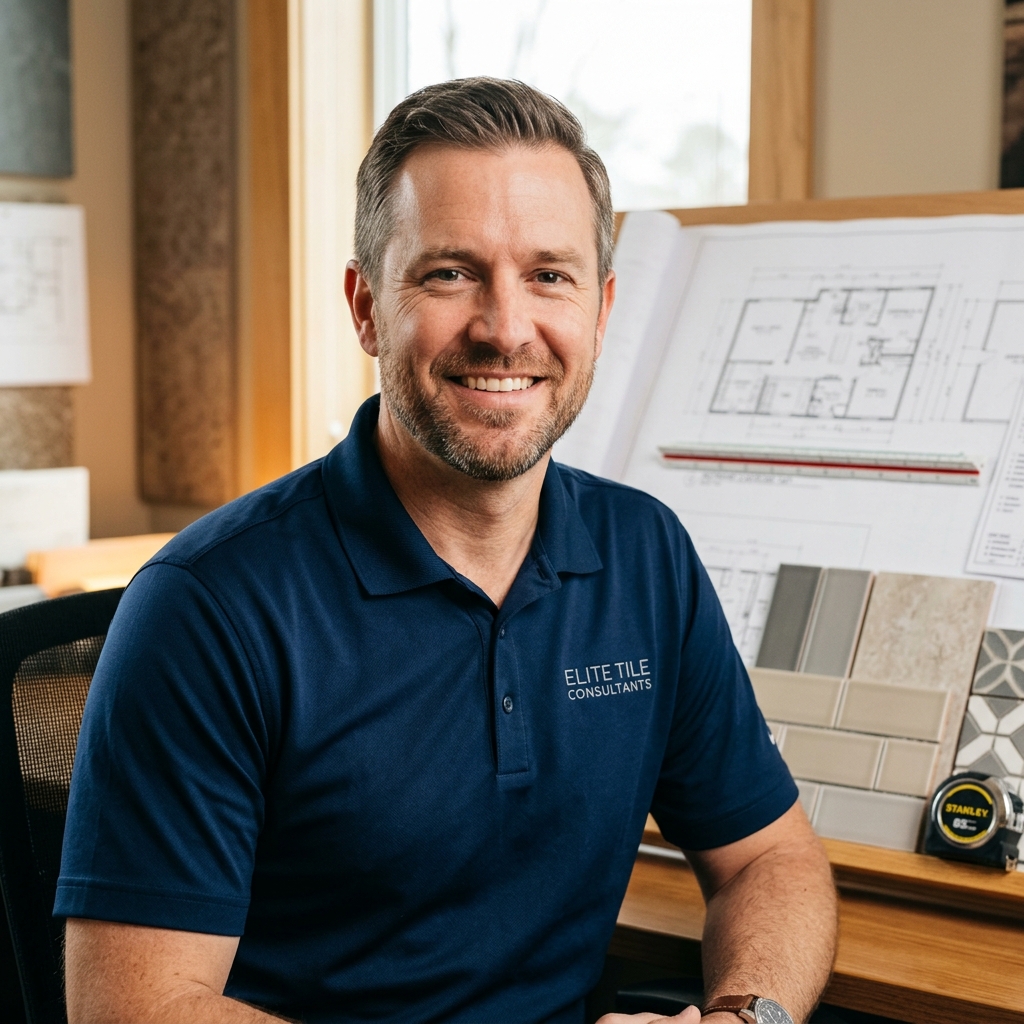
Marcus Sterling
Certified Master Tile Installer & Technical Estimator
This guide has been technically reviewed and approved by Marcus Sterling. Marcus has over 20 years of hands-on experience in residential and commercial tile setting. He is a certified installer specializing in moisture diagnostics, deflection analysis, complex layouts, and estimation accuracy.
Budget FAQs
Common questions about affordable tile materials and setting products.
What is the cheapest durable floor tile?▼
Glazed ceramic tile is the cheapest floor tile, starting around $0.80 to $1.50 per square foot. For high-traffic wet zones, budget glazed porcelain at $2.00 per square foot is the most cost-effective durable option.
Does tile size affect the cost of installation?▼
Yes. Extremely small tiles (mosaics) and extremely large format tiles (over 15 inches) cost 20–50% more to install. Standard sizes like 12x12 and 12x24 are the cheapest to have installed.
Is ceramic or porcelain cheaper for a DIY project?▼
Ceramic is cheaper and much easier to cut with a simple manual snap cutter. Porcelain is dense and brittle, requiring a diamond wet saw blade, which adds tool rental costs to your budget.
How can I save money on tile setting materials?▼
Buy setting materials in bulk bags rather than pre-mixed tubs. Use standard modified thinset unless high-heat or specialty glass mortars are specifically required. Mix only what you need to prevent bucket waste.